

Do indoor cats need vaccines? Yes. Even a cat that never steps outside still needs core vaccines and parasite prevention. Many owners in Kuwait believe an indoor life means zero risk, but the risk still finds the cat. This guide explains why indoor cat vaccines matter, the core schedule, and what boarding and travel require.
Why indoor cats still get sick
Your cat may stay inside, but germs and pests do not stay outside. In Kuwait, streets are full of stray cats, and hardy viruses travel into the home on the things you touch every day.
- Cat viruses ride in on your shoes, clothes and hands after you pass stray animals.
- Mosquitoes and fleas slip in through doors, balconies and AC units.
- Cats escape through an open door, window or balcony when movers, cleaners or AC technicians come in.
- A bat can get indoors, and bats can carry rabies.
One virus is a good example. Feline panleukopenia (a feline parvovirus) is very tough. It can survive in the environment for months, even up to a year, and it resists many common cleaners. So it can be carried into your home on shoes, clothing and hands, even if your cat never goes outside.
The core vaccines every cat needs
Two vaccines are called “core” because they are recommended for all cats, indoor-only cats included, under AAHA and AAFP guidelines.
- FVRCP vaccine for cats — protects against feline herpesvirus-1, calicivirus and panleukopenia.
- Rabies vaccine — protects against rabies, which is almost always fatal once signs appear and is a danger to people too.
Do indoor cats need a rabies vaccine? Yes. Rabies is present in the region’s stray animals. An indoor cat can be exposed if a bat gets inside or if the cat escapes through an open door, window or balcony. Rabies vaccination is also required by law in many places and is needed for boarding and travel.
One vaccine is not automatic for every adult. The FeLV (feline leukemia) vaccine is recommended for all kittens as a two-dose series. After that, it is given to adult cats only based on the individual cat’s risk. Your vet decides this, not the owner. Not every cat needs every vaccine, but core vaccines apply to indoor cats too.
Indoor cat vaccine schedule
Here is the general cat vaccination schedule. Your vet will confirm the exact dates for your cat and follow the vaccine product and local law.
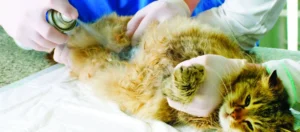
- Kittens (FVRCP): start at about 6 to 8 weeks, then a booster every 3 to 4 weeks until 16 to 20 weeks of age.
- Kittens (rabies): a single dose at about 12 to 16 weeks.
- First adult boosters: given at about 1 year of age.
- Adult FVRCP: usually every 1 to 3 years after that.
- Adult rabies: every 1 to 3 years, depending on the product used and local law.
At what age should a kitten start vaccines? At around 6 to 8 weeks for FVRCP. Starting on time and finishing the full kitten series is what builds strong protection.
Fleas, ticks and heartworm still reach indoor cats
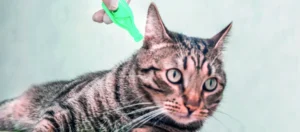
Do indoor cats get fleas? Yes. Fleas and ticks are carried indoors on people and on other pets. So indoor cats still need year-round flea and tick prevention, plus routine deworming.
Do indoor cats get heartworm? They can. Mosquitoes get indoors and can pass heartworm to cats. Feline heartworm has no approved treatment, so prevention is the only protection. This is why an indoor life does not remove the need for parasite control.
Boarding and travel need proof of vaccination
Families in Kuwait travel often. Reputable pet hotels and boarding facilities require current proof of vaccination, usually rabies and FVRCP, before they take your cat. Travel out of Kuwait also needs rabies vaccination plus a health certificate.
Plan early. Vaccines need time to take full effect, so book them well before your trip or boarding date. See our pet hotel checklist for Kuwait to prepare the paperwork in advance.
When to see the vet
Book a visit if any of these apply:
- Your cat is due, or overdue, for core vaccines or a booster.
- You have a new kitten that has not started its shots.
- Your cat escaped outside, was bitten, or was near a bat.
- You are planning to board your cat or travel out of Kuwait.
- Your cat is not on flea, tick or deworming prevention.
Frequently asked questions
Do indoor cats really need vaccines?
Yes. Core vaccines (FVRCP and rabies) are recommended for all cats, including indoor-only cats, because viruses and rabies risk can still reach the home.
What vaccines do indoor cats need?
The core vaccines are FVRCP (herpesvirus-1, calicivirus, panleukopenia) and rabies. FeLV may be added for kittens or for adult cats with extra risk, as decided by your vet.
Do indoor cats need a rabies shot?
Yes. Rabies is a core vaccine, it is often required by law, and it is needed for boarding and travel. An escape or a bat indoors can expose your cat.
How often do indoor cats need vaccines?
After the first adult boosters at about 1 year, FVRCP is usually every 1 to 3 years and rabies every 1 to 3 years, depending on the product and local law. Your vet sets the interval.
Can an indoor cat get sick if it never goes outside?
Yes. Tough viruses like panleukopenia can be carried in on shoes, clothes and hands, and mosquitoes and fleas can get indoors. Staying inside lowers risk but does not remove it.
Can indoor cats get rabies from a bat?
Yes. A bat can get indoors, and bats can carry rabies. This is one reason the rabies vaccine is advised even for indoor cats.
Do indoor cats need flea and tick prevention?
Yes. Fleas and ticks come indoors on people and other pets, so year-round prevention is still needed for indoor cats.
Do indoor cats need deworming?
Yes. Routine deworming is still recommended for indoor cats. Your vet can advise how often based on your cat’s lifestyle.
At what age should a kitten start vaccines?
FVRCP starts at about 6 to 8 weeks, with boosters every 3 to 4 weeks until 16 to 20 weeks. Rabies is a single dose at about 12 to 16 weeks.
What happens if you don’t vaccinate an indoor cat?
The cat stays open to serious diseases like panleukopenia and rabies, which can be deadly. It may also be refused by pet hotels and blocked from travel, since both require proof of vaccination.
Related reading
- Preparing your pet for a hotel stay
- Behavior changes: early signs of illness
- When do kittens stop biting
Not sure what your indoor cat is due for? Our team can check the record and set the right schedule for your cat. Book online or call us to arrange vaccines, and if you plan to travel or board, start early so the shots have time to work.