

The pet grooming health benefits go far beyond a clean, good-looking coat. Regular grooming keeps your pet’s skin, nails, ears, and coat healthy, and it is one of the easiest ways to catch a problem early. In Kuwait, where pets spend the hot summer indoors on AC and fine sand and dust settle into their fur all year, good grooming matters even more. This guide explains the real health benefits of regular grooming and how often each pet needs it.
Why is pet grooming important?
Grooming is not just about looks. It protects your pet from painful and costly health problems. When you brush, bathe, and handle your pet often, you stop small issues from turning into big ones. Here are the main health benefits of regular grooming:
- Stops painful matting that pulls on the skin.
- Keeps skin clean and lowers the risk of skin infections.
- Keeps nails at a safe length so walking does not hurt.
- Removes trapped sand, dust, and dead hair.
- Cuts down on shedding and hairballs.
- Gives you a regular chance to check for health problems.
Matting is painful, not just ugly
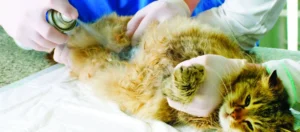
Matting in dogs and matted cat fur is a real health issue. Tight mats pull on the skin every time your pet moves. They trap moisture and dirt, block airflow, and can cause sores and skin infection underneath. In Kuwait’s climate, sand and sweat build up fast in long or thick coats, so mats form quickly.
Please do not cut mats out with scissors at home. A pet’s skin lifts up into the mat, so it is very easy to cut the skin by accident. Severe or heavy mats should be removed by a groomer or the vet team. Regular brushing is the best way to stop mats from forming in the first place.
Overgrown nails hurt your pet
Overgrown dog nails are not a small problem. Long nails can curl into the paw pad, change the way your pet walks, and strain the toes and joints. Dew claws, the extra nails higher up on the leg, can grow round into the skin because they never touch the ground.
An easy sign to watch for: if you hear your pet’s nails clicking hard on the floor, or your pet limps, the nails are too long. Check nails about once a month. When you trim, stop before the “quick” (the pink area with the blood vessel). If you are not sure, let our team do it.
Grooming as a health check
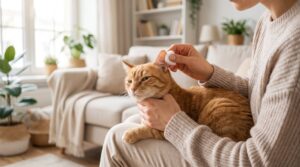
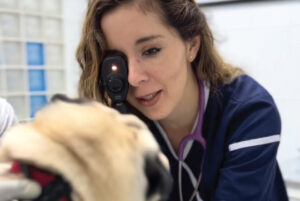
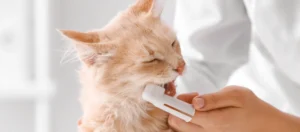
One big benefit of grooming your dog or cat is that it doubles as a health check. Brushing and handling your pet is the best time to notice something new, early, before it gets worse. While you groom, look and feel for:
- New lumps or bumps under the coat.
- Fleas and ticks. Flea dirt looks like tiny black specks.
- Ear problems: bad smell, discharge, or redness.
- Skin problems: redness, scabs, or hair loss.
- Eye or dental problems.
- Weight change you can feel through the coat.
Benefits of grooming your cat
Cats groom themselves, but they still need help. This is the main benefit of grooming your cat: brushing removes loose hair before your cat swallows it, so there are fewer hairballs and less matting. Long-haired, older, overweight, or unwell cats cannot reach every part of their body, so they need the most help.
Long-haired cats like the Persian and Himalayan need brushing most days to stop mats. Short-haired cats usually need brushing about once a week. Many families in Kuwait keep these long-haired breeds, and the dry, dusty air makes their coats mat faster.
Double-coated dog grooming: do not shave to cool down
A common local mistake is shaving a double-coated dog down to the skin to “cool it off” in the heat. Please do not do this with a Husky, Pomeranian, or Spitz. The double coat actually insulates against heat and protects the skin from sunburn. Shaving it can harm your dog’s temperature control, and the coat may grow back patchy.
The right way to manage shedding and heat is regular brushing and a professional de-shed. This means brushing several times a week, and more often during shedding season. Dogs with coats that keep growing, like the Poodle, Shih Tzu, and Maltese, usually need a professional groom every 4 to 8 weeks.
Simple home grooming tips
- Use pet shampoo, not human shampoo. Human products dry out and irritate pet skin.
- Do not over-bathe. Too many baths strip natural oils and dry the skin.
- When trimming nails, stop before the pink quick.
- Do not push cotton buds deep into the ear canal. Only wipe the parts you can see.
- Brush a little and often. Short, calm sessions are easier for both of you.
When to see the vet, not just a groomer
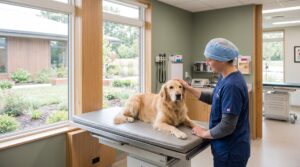
Some grooming problems need the vet team, not just a wash and trim. Book with our team if you see any of these:
- Painful or heavy matting close to the skin.
- Any new lump or bump.
- Ear pain, a bad smell, or discharge.
- Red, broken, or itchy skin.
- Limping that may come from long nails.
- Fleas or ticks you cannot control at home.
Book with our team rather than cutting bad mats yourself. Grooming and a health check often go together, which is handy before boarding at a pet hotel while your family travels.
Frequently asked questions
What are the health benefits of grooming my pet?
Regular grooming prevents painful matting, keeps skin healthy and free of infection, and keeps nails at a safe length. It also lets you find lumps, parasites, and ear or skin problems early. In short, grooming keeps your pet comfortable and acts as a regular health check.
How often should I groom my dog?
It depends on the coat. Double-coated dogs need brushing several times a week and more during shedding season. Dogs with coats that keep growing, like the Poodle or Shih Tzu, usually need a professional groom every 4 to 8 weeks. Check nails about once a month.
How often should I groom my cat?
Long-haired cats like the Persian and Himalayan need brushing most days. Short-haired cats need brushing about once a week. Older, overweight, or unwell cats need extra help because they cannot reach every part of their body.
Do indoor cats need grooming?
Yes. Indoor cats still shed, mat, and swallow hair, and sand and dust in Kuwait settle into their coats even indoors. Brushing removes loose hair, cuts down on hairballs, and gives you a chance to check their skin and body.
Is it safe to cut a matted cat’s fur at home?
No, not with scissors. The skin lifts up into the mat, so it is very easy to cut the skin by accident. Heavy or tight mats should be removed by a groomer or the vet team. Regular brushing stops mats from forming in the first place.
What happens if you don’t groom your dog?
Without grooming, coats mat and pull on the skin, dirt and moisture get trapped, and sores or skin infections can form. Nails grow too long and change how your dog walks. You also miss the chance to find lumps or parasites early.
Related reading
- How to clean your cat’s ears safely
- Behavior changes: early signs of illness
- Preparing your pet for a hotel stay
Good grooming keeps your pet comfortable and healthy, and it helps you catch problems early. If your pet is matted, has long nails, or is due for a coat care and health check, our team offers pet grooming in Kuwait for both cats and dogs. You can book online or call us, and we will take care of the rest.